Cement Consumption कैसे calculate करें (Easy Method)
Cement Consumption Calculation Formula | Cement Quantity Kaise Calculate Kare? (Complete Practical Civil Engineering Guide)
Powered by CivMasterPro
Construction industry में cement सबसे important binding material माना जाता है। चाहे PCC work हो, RCC slab casting, footing, column, beam, retaining wall, pavement concrete, flooring, या highway construction — हर जगह accurate cement calculation बहुत जरूरी होता है।
अगर cement quantity सही calculate नहीं की जाए तो:
- Material wastage बढ़ सकता है
- Project cost increase हो सकती है
- Site execution delay हो सकता है
- Concrete quality affect हो सकती है
- Billing disputes हो सकते हैं
इसीलिए हर civil engineer, site engineer, billing engineer, QA/QC engineer, contractor, और supervisor को cement consumption calculation formula properly समझना जरूरी है।
इस complete practical guide में हम step-by-step सीखेंगे:
- Cement quantity कैसे calculate करें
- Dry volume क्या होता है
- Mix ratio कैसे use करते हैं
- M20 concrete calculation
- Cement bags calculation
- Quick cement consumption table
- Common site mistakes
- Professional site engineering tips
📌 What is Cement Consumption?

Cement consumption का मतलब होता है:
किसी specific concrete volume या construction work के लिए required cement quantity
यह quantity:
- Concrete grade
- Mix ratio
- Dry volume
- Site wastage
- Material quality
पर depend करती है।
🎯 Why Cement Calculation is Important?
Construction projects में proper cement calculation बहुत important role play करता है।
Main Benefits
- Accurate material planning
- Site wastage reduction
- Cost control
- BOQ verification
- Procurement planning
- Billing accuracy
- Inventory management
- Quality control
अगर cement calculation गलत हो जाए:
- Extra material order करना पड़ सकता है
- Concrete work stop हो सकता है
- Financial loss हो सकता है
- Project delay हो सकता है
📌 Basic Concept of Concrete Mix Ratio

Concrete mix ratio का मतलब:
Cement : Sand : Aggregate proportion
Example:
1 : 1.5 : 3
इसका मतलब:
- 1 Part Cement
- 1.5 Part Sand
- 3 Part Aggregate
📐 Cement Consumption Formula
Concrete material calculation के लिए सबसे पहले dry volume calculate किया जाता है।
Basic Cement Formula:
Cement Quantity = (Cement Ratio / Total Ratio) × Dry Volume
📌 Why Dry Volume is Used?
Concrete material calculation हमेशा dry volume से किया जाता है क्योंकि:
- Mixing के दौरान voids present होते हैं
- Compaction होता है
- Material settlement होता है
इसलिए wet concrete volume को dry volume में convert करना जरूरी होता है।
📊 Dry Volume Formula
Dry Volume = Wet Volume × 1.54
जहाँ:
- 1.54 = Dry volume factor
🧮 Step-by-Step Cement Calculation (M20 Example)

M20 concrete nominal mix:
1 : 1.5 : 3
Step 1: Total Ratio Calculate करें
1 + 1.5 + 3 = 5.5
Total Ratio = 5.5
Step 2: Wet Volume Assume करें
Suppose:
Wet Concrete Volume = 1 m³
Step 3: Dry Volume निकालें
Dry Volume = 1 × 1.54
Dry Volume = 1.54 m³
Step 4: Cement Volume निकालें
Cement = (1 / 5.5) × 1.54
Cement = 0.28 m³
Step 5: Cement Bags निकालें
1 Cement Bag Volume ≈ 0.035 m³
Number of Bags:
0.28 ÷ 0.035 = 8 Bags (Approx)
📌 Final Answer
1 Cubic Meter M20 Concrete के लिए लगभग 8 cement bags required होते हैं।
📊 Quick Cement Consumption Table
| Concrete Grade | Mix Ratio | Approx Cement Bags per m³ |
|---|---|---|
| M5 | 1:5:10 | 3 Bags |
| M7.5 | 1:4:8 | 4 Bags |
| M10 | 1:3:6 | 5 Bags |
| M15 | 1:2:4 | 6.5 Bags |
| M20 | 1:1.5:3 | 8 Bags |
| M25 | Design Mix | 8.5–10 Bags |
📌 Cement Bag Weight and Volume
Standard cement bag:
- Weight = 50 kg
- Volume ≈ 0.035 m³
यह value practical site calculations में widely use होती है।
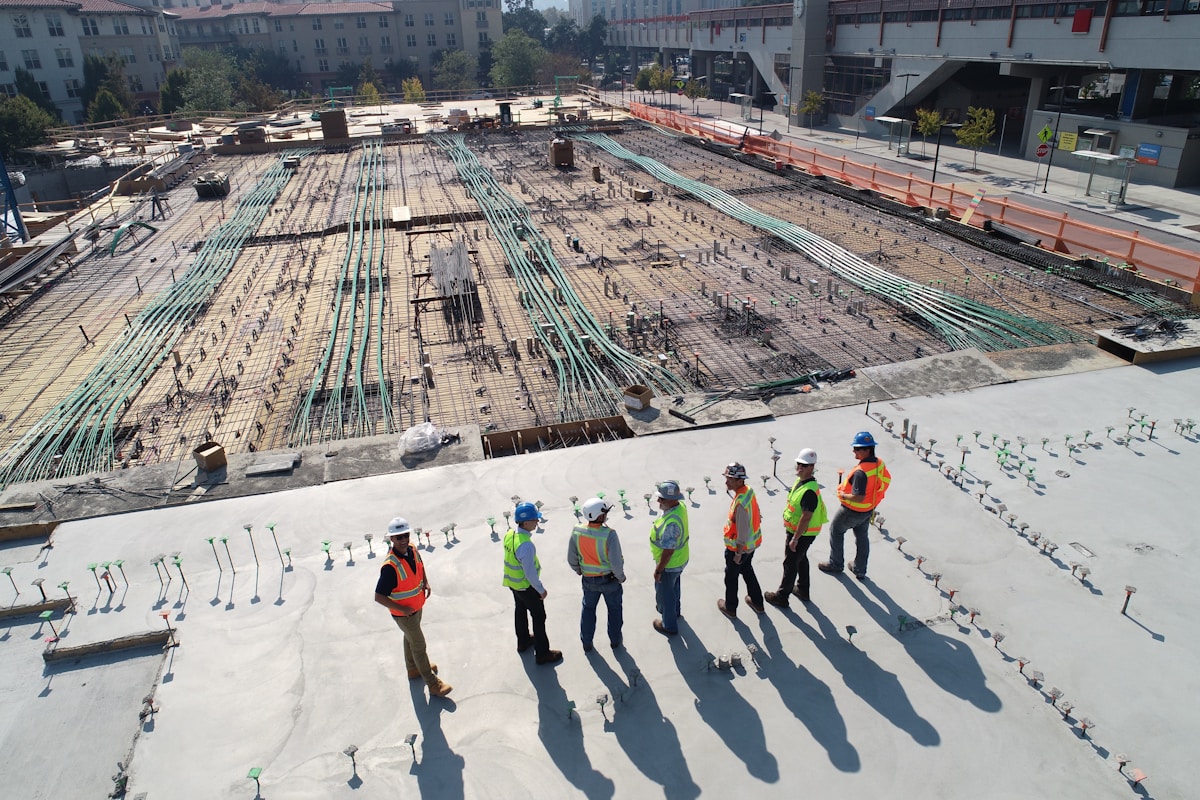
📐 Example: Slab Cement Calculation
Suppose:
- Slab Length = 10 m
- Width = 5 m
- Thickness = 0.15 m
Step 1: Wet Volume
10 × 5 × 0.15 = 7.5 m³
Step 2: Dry Volume
7.5 × 1.54 = 11.55 m³
Step 3: Cement Quantity
(1 / 5.5) × 11.55
= 2.1 m³
Step 4: Cement Bags
2.1 ÷ 0.035
≈ 60 Bags
📌 Cement Consumption for Different Works
| Work Type | Typical Cement Usage |
|---|---|
| PCC | 5–7 Bags/m³ |
| RCC | 8–10 Bags/m³ |
| Plaster | 6–8 Bags per 100 m² |
| Brickwork Mortar | 1–2 Bags/m³ |
📌 Factors Affecting Cement Consumption
1. Concrete Grade
Higher grade concrete में cement quantity ज्यादा होती है।
2. Water-Cement Ratio
Improper water ratio concrete quality affect करता है।
3. Aggregate Size
Aggregate grading cement requirement influence करता है।
4. Workability Requirement
Higher slump requirement cement demand increase कर सकती है।
5. Site Wastage
Practical site wastage:
- 2% to 5%
consider करना चाहिए।
⚠️ Common Mistakes in Cement Calculation

1. Wet Volume Directly Use करना
Dry volume factor apply करना भूल जाना सबसे common mistake है।
2. Wrong Mix Ratio
Incorrect ratio पूरी calculation गलत कर सकता है।
3. Bag Volume Conversion Error
0.035 m³ conversion गलत लेने से quantity mismatch हो सकता है।
4. Site Wastage Ignore करना
Practical site losses हमेशा consider करने चाहिए।
5. Incorrect Unit Conversion
Feet, meter, और millimeter conversion mistakes common होती हैं।
🚀 Pro Tips for Site Engineers
- Always use dry volume
- Site wastage percentage add करें
- Concrete mix verify करें
- Design mix reports check करें
- Batching machine calibration check करें
- BOQ quantities cross-check करें
- Daily consumption record maintain करें
📌 Cement Consumption in Highway Projects
Highway construction में cement calculation बहुत critical होता है।
Major Uses
- PQC (Pavement Quality Concrete)
- DLC
- RCC Drains
- Culverts
- Retaining Walls
- Structures
Highway projects में mix design generally lab approved होता है।
📊 Cement Consumption vs Cost Control
Accurate cement calculation directly project profitability affect करता है।
Benefits
- Inventory control
- Material shortage prevention
- Cost reduction
- Billing accuracy
- Procurement planning
📌 Difference Between Nominal Mix & Design Mix
| Nominal Mix | Design Mix |
|---|---|
| Fixed ratios | Lab-designed proportions |
| Small projects | Large projects |
| M20 and below | M25 and above |
📌 Importance of Cement Quality
Calculation के साथ cement quality भी equally important होती है।
Check These Parameters
- Manufacturing date
- Freshness
- Lumps presence
- Storage condition
- Brand approval
🔗 Related Civil Engineering Guides
👉 Concrete Volume Calculation Guide
👉 Steel Weight Calculation Formula
👉 Brickwork Quantity Calculation
👉 Rate Analysis Guide
👉 Construction Billing Process
👉 Highway QA/QC Practical Guide
🎯 Conclusion
Proper cement consumption calculation construction management का सबसे important part है। Accurate calculation से:
- Material wastage reduce होता है
- Project cost control में रहती है
- Site work smoothly चलता है
- Billing disputes कम होते हैं
- Quality improve होती है
हर civil engineer, QA/QC engineer, site engineer, contractor, और billing engineer को dry volume concept, mix ratio, और cement bag calculation properly समझना चाहिए।
Practical site execution में accurate material calculation एक professional engineer की पहचान होती है।
💬 Frequently Asked Questions (FAQs)
How many cement bags are required for 1 m³ of M20 concrete?
Approximately 8 cement bags are required for 1 cubic meter of M20 concrete.
Why is dry volume used in cement calculation?
Dry volume accounts for voids and material settlement during mixing.
What is the dry volume factor for concrete?
Generally, 1.54 is used as the dry volume factor.
What is the volume of one cement bag?
One 50 kg cement bag has approximately 0.035 m³ volume.
Why is cement calculation important?
It helps in material planning, cost control, wastage reduction, and billing accuracy.
🚀 Learn Practical Civil Engineering
Highway Engineering, QA/QC, BOQ Billing, Quantity Estimation, AutoCAD, and Site Execution सीखने के लिए visit करें:


Comments
Post a Comment
Please share your practical site experience, questions, or technical doubts related to civil engineering, highway construction, AutoCAD, QA/QC, BOQ billing, or MoRTH standards. Spam or promotional links will be removed.